
There’s no denying that construction is one of the riskiest sectors. It’s a complicated, high-stakes industry where each project involves many moving pieces, and timelines and budgets can quickly spiral if one element goes off track.
We’ve seen it before: the Sydney Opera House finished a decade late at 14 times its original budget, and California’s high-speed rail is already years behind schedule and billions over budget.
Keeping projects safe, on time, and within budget takes thoughtful effort and strategy. That’s where risk management in construction comes in.
What Is Risk Management In Construction?
Construction risk management is the process of identifying, analyzing, allocating, mitigating, and controlling risks in construction projects. Its goal is to ensure projects are delivered safely, on time, within budget, and to the required quality standards, even when unexpected challenges arise.
Effective risk management isn’t about eliminating risk entirely. The construction industry is so complex, and each project has so many variables that removing all risks is impossible. Instead, risk management means taking a structured, proactive approach that helps teams prepare for uncertainties and minimize their impact.
Managing risks in construction work means spotting potential challenges early, understanding their impact, and implementing measures to control them while protecting project safety, budgets, and timelines.
Why Is Construction Risk Management Important?
With so many different construction risks, risk management in building construction is vital. After all, over 70% of projects experience delays.
While challenges are inevitable, the right preparation turns them into opportunities for stronger outcomes. Investing time upfront in thoughtful risk management lays the groundwork for smoother builds and long-term success.
Effective risk management in construction projects helps reduce:
- Budget control
Rising material costs and unexpected site conditions can strain budgets, but strong risk management improves forecasting, builds in contingencies, and keeps expenses on track from start to finish. - Safety performance
Proactive training, routine audits, and clear safety protocols create a culture that protects workers, reduces incidents, and strengthens every job site. - Regulatory alignment
With the right planning and documentation, teams can anticipate compliance and contract challenges, stay ahead of zoning changes, and avoid costly disputes. - Schedule reliability
Delays may be common, but they don’t have to be costly. Realistic timelines, clear milestones, and contingency plans help projects stay on pace and clients stay confident.
Thanks to risk management in the construction industry, companies can safeguard profits, protect workers, increase client satisfaction, and know what to do if an issue arises. Ultimately, risk management in construction minimizes the likelihood of delays, cost overruns, injuries, and legal setbacks, while increasing the chances of project success.
Best Practices for Managing Risks in Construction Work
Risk management in construction can make or break a project’s success. While every build is different, the most successful construction companies have one thing in common: they plan for the unexpected and have several risk mitigation strategies.
Best practices for managing risks in construction work include:
Forming a Great Team
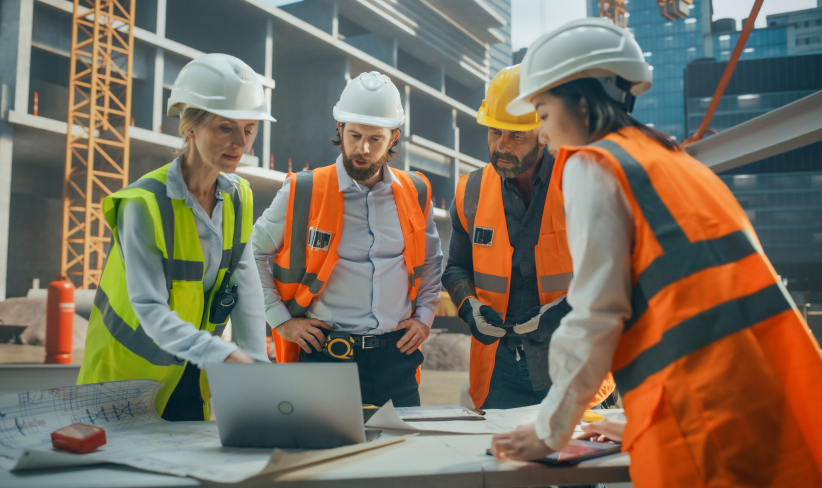
No construction project comes together without the right people in place. Building a reliable team with clear roles and open communication is key to identifying and resolving risks before they escalate.
Purchasing Insurance and Legal Protections
Construction is a risky business, so you need to protect yourself and your clients. That means having insurance and bonding. Coverage comes in many forms, from general liability insurance for property damage and bodily injury to errors and omissions insurance, which protects against design flaws, documentation mistakes, and professional oversights.
Meanwhile, construction bonds offer assurance that contractors and subcontractors will meet the performance, quality, and compliance standards outlined in the contract.
Following the Law
It sounds obvious, but the law is there for a reason. Overlooking permits, safety codes, or labor regulations can cause major delays and costly fines.
Creating Quality Control Measures
To meet contract quality standards, companies need quality control. By outlining expectations for team members, setting material and craftsmanship standards, and holding regular inspections, you can spot potential problems before they escalate and deliver a finished project that meets every commitment made to your client.
Developing Safety Programs
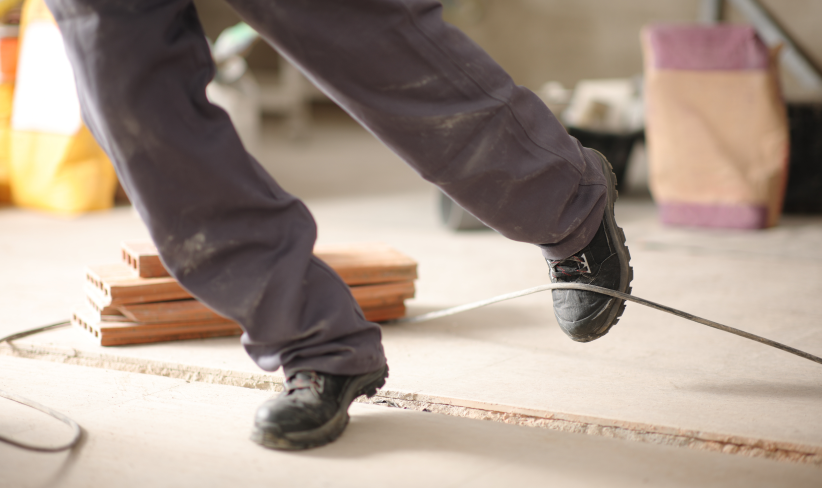
According to OSHA, fall hazards, struck-by accidents, caught-in or between accidents, electrocutions, and scaffold collapses are the most common risks on construction sites and are the “Fatal Four” causes of construction deaths.
A comprehensive safety program combined with training, routine inspections, and strict adherence to safety standards creates a culture of safety.
Getting Guarantees, Certifications, and Assurances
When selecting materials or contracting services, always verify they’re reliable and compliant. By partnering with certified suppliers and contractors that offer guarantees, you can reduce your company’s liability and rest easy knowing that you’re in good hands.
Using Construction Risk Management Tools
Digital platforms and software help teams identify, track, and mitigate risks. Not only can technology enable real-time collaboration and communication, but it can also identify, predict, and monitor risks.
Thoroughly test any new products before your project begins so you know exactly how to use them safely and efficiently once construction is underway.
How to Build a Construction Risk Management Strategy
Along with the best practices above, you’ll need a risk management strategy that brings everything together. Your construction risk management strategy should include:
1. Identifying Potential Risks
The first step to risk management in building construction is identifying risks through brainstorming, research, past project reviews, and expert input. Consider every possible issue, and consult with stakeholders.
Ask: What risks does this project present? Are there any unique risks to this location, timeline, or client? What challenges have similar projects faced? Are there dependencies like subcontractors, materials, or permits that could cause delays? What external factors are at play?
2. Assessing Risks
Not all risks are equal. Some have a greater potential impact, while others are more likely to occur. Evaluating the likelihood, frequency, and consequences of risks helps you prioritize which need immediate attention and which to monitor over time.
Think about what might go wrong and how likely each risk is based on past data, research, or expert input. Then consider how much each risk will disrupt safety, cost, or scheduling. This will allow you to focus your efforts where they matter most.
3. Developing a Plan
Once you’ve identified potential risks and their impact, build a construction risk management plan that defines how you’ll address them.
Most strategies fall into four categories:
- Accept: Some risks are part of construction. Manage them through awareness, monitoring, and smart oversight. The key is knowing which risks are worth accepting and which demand action.
- Avoid: The best way to manage risk is to prevent it. Adjust schedules, refine scopes, or choose alternative materials to remove threats before they arise.
- Control: Proactive steps like safety training, regular inspections, and clear communication can reduce both likelihood and impact. Experienced consultants can help teams put the right guardrails in place.
- Transfer: Contracts, insurance, and partnerships can shift risk to the parties best equipped to manage it. Thoughtful allocation keeps everyone protected and profitability intact.
4. Implementing Risk Responses
Next, follow through on your plans and implement your risk strategies. Whether it’s adjusting timelines, securing backup suppliers, filing an insurance or payment bond claim, or even declaring bankruptcy, keep all communication lines open so everyone is in the loop.
5. Monitoring and Adapting
Risk management in construction doesn’t stop once your plan is in place or even in motion. It’s an ongoing process that requires continuous oversight and adjustment. After all, new risks can emerge and existing ones might change in scope, so strategies must remain flexible to stay effective.
Hold routine check-ins, review progress reports, and analyze project data to identify changing conditions, reassess priorities, and ensure your approach remains effective. If something isn’t working, revise your plan, update timelines, or reallocate resources.
By treating risk management as a living process, your team can act proactively rather than reactively to keep projects on track, protect profitability, maintain compliance, and ensure the quality and safety of your work is never compromised.
Plan Smarter, Build Stronger
Construction will always come with uncertainty and risks, but strong risk management in construction makes that uncertainty manageable and allows companies to protect their people, timelines, profits, and reputations.
At SEI, we know that risk management in the construction industry isn’t easy. Each project is unique, and conditions are constantly changing. That’s why we work side by side with clients to build tailored strategies that strengthen operations, improve communication, and create more predictable outcomes. With our help, you’ll be able to anticipate challenges and stay ahead of change.