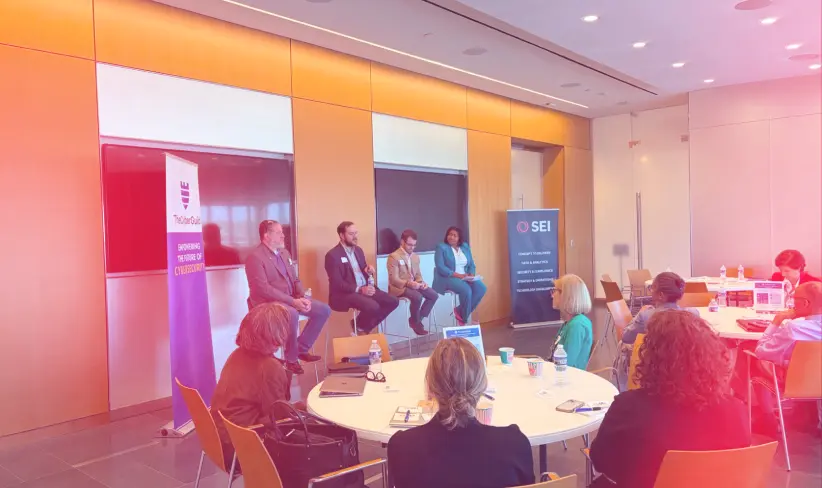
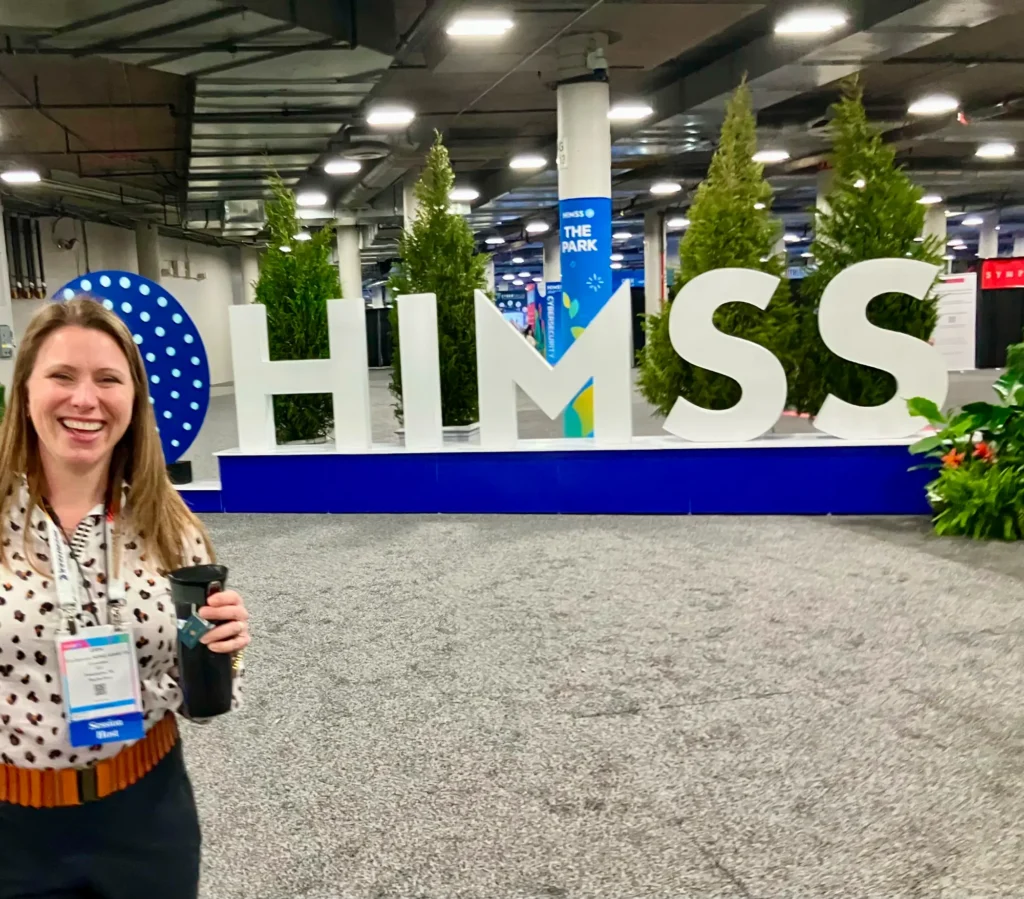
The HIMSS Global Health Conference & Exhibition brings together some of the most influential voices in healthcare to tackle the challenges shaping the future of health IT.
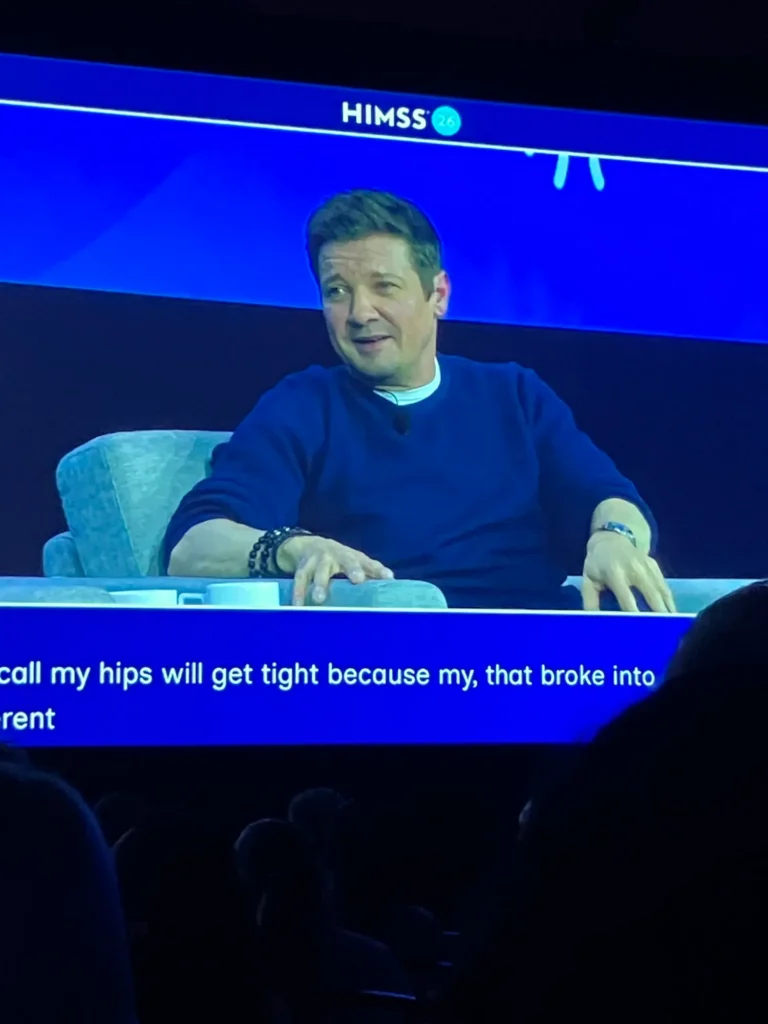
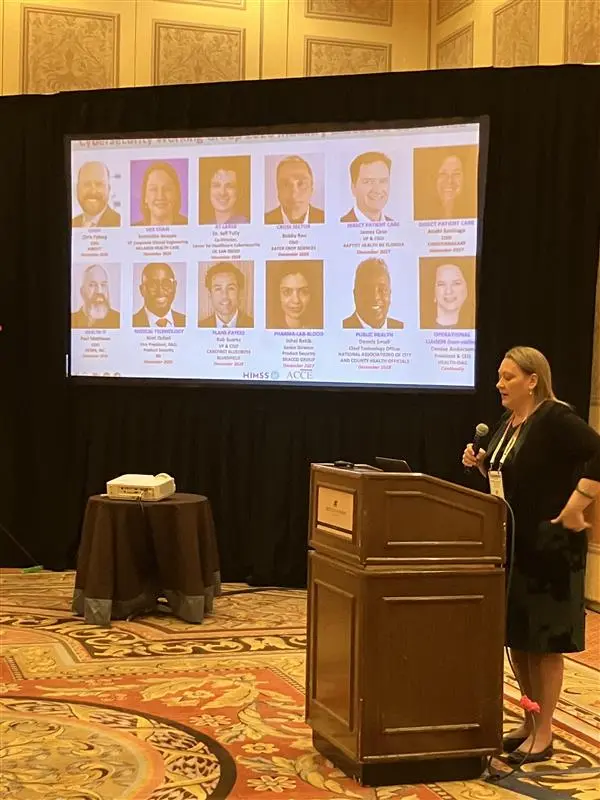
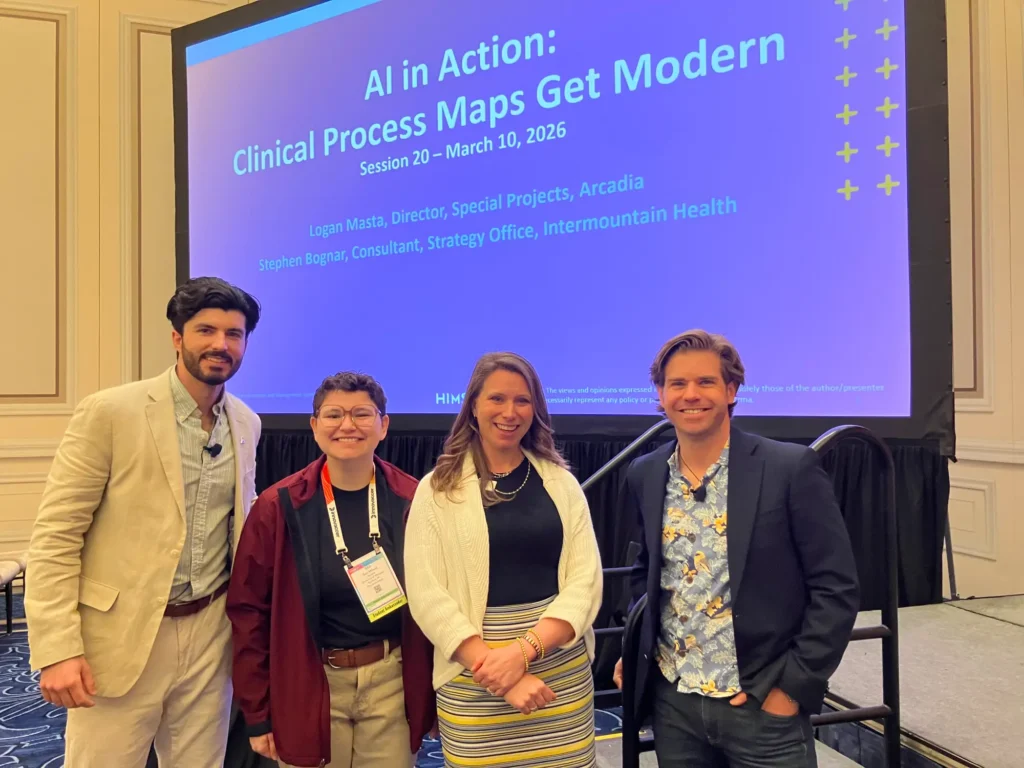
Our team got the opportunity to attend this year’s event in Las Vegas, connecting with leaders across the ecosystem, trading ideas, and discovering what’s real versus what’s hype. Discussions spanned AI, data readiness, digital access, and funding realities, often highlighting a central point: progress is being made, though not without friction.
Here are a few of the biggest takeaways we gathered from HIMSS 2026.
CMS Is Going Digital, but Not Everyone Is Ready
One of the most talked-about shifts was CMS’s (Centers for Medicare & Medicaid Services) move toward digital identity and access. With partnerships like ID.me and new requirements for Medicare.gov, CMS is pushing forward on modernizing how patients use services, while many organizations are still catching up.
What we’re seeing:
- Digital identity will become a requirement for accessing key services via the CMS Health Technology Ecosystem
- Providers will need to support both digital and paper-based identity workflows
- Questions around privacy, security, and usability are still evolving
At the same time, many patients, especially those in underserved or vulnerable populations, still lack access to the tools needed to participate fully in a digital-first system.
Takeaway:
The shift to verified digital access brings technical, operational, and patient experience implications that organizations must plan for now.
$50b in Funding Doesn’t Guarantee Progress
There’s no shortage of investment flowing into healthcare IT, but access to funding and how to use it effectively is far more complicated.
Discussions around the Rural Health Transformation (RHT) Program highlighted a critical tension. While the program brings $50 billion in funding over five years to strengthen rural healthcare systems, the path to impact is anything but straightforward.
States are using this funding to address a wide range of priorities, from expanding access and strengthening workforce capacity to modernizing infrastructure and enabling new care delivery models. However:
- Funding is tied to state-specific priorities and pre-defined plans
- Technology is only one piece of broader transformation efforts
- Administrative, regulatory, and coordination challenges can slow execution
- Timelines are aggressive, requiring rapid alignment across stakeholders
Takeaway:
Health funding is accelerating change, but a clear strategy and strong execution remain essential.
AI Adoption Is Rising. Data Readiness Isn’t.
AI continues to dominate the conversation, but the focus is shifting.
Last year was about experimentation. This year is about application, particularly around agentic AI and automation.
Where we’re seeing traction:
- Non-clinical use cases like billing, scheduling, and chart abstraction
- Tools designed to reduce manual effort and improve efficiency
Where challenges remain:
- Most healthcare data — let alone electronic health records (EHRs) — still isn’t structured or standardized enough for meaningful AI use
- Critical data can live in dozens of different places across systems
- The need for data transformation is still very real
Meanwhile, platforms like Epic are pushing forward with embedded, no-code agentic AI across EHR and ERP systems. This is raising the bar for what “integrated AI” looks like and making it harder for point solutions to compete.
The takeaway here is a familiar one:
AI is only as effective as the data behind it. For many organizations, that foundation is still under construction.
Smaller Organizations May Have the Biggest Opportunity
In a space defined by complexity, speed is starting to matter more than scale.
Larger organizations are often navigating layers of regulation, legacy systems, and operational overhead. Smaller organizations don’t carry that same weight, and that creates room to move faster.
We’re seeing smaller teams:
- Adopt new technologies more quickly
- Test and iterate without large-scale disruption
- Focus on impact without adding unnecessary complexity
Takeaway:
Agility drives progress more than sheer size.
Continuing the Conversation
Healthcare organizations aren’t standing still, but moving forward requires more than access to technology or funding. It takes alignment across people, processes, and systems.
At SEI, we see these moments as opportunities to help organizations turn momentum into measurable progress. We’re grateful to everyone who took the time to connect, share perspectives, and challenge assumptions along the way.